Single Orange Flower Embroidery Design Review
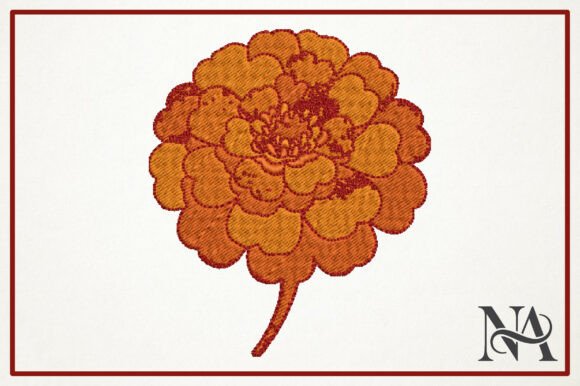
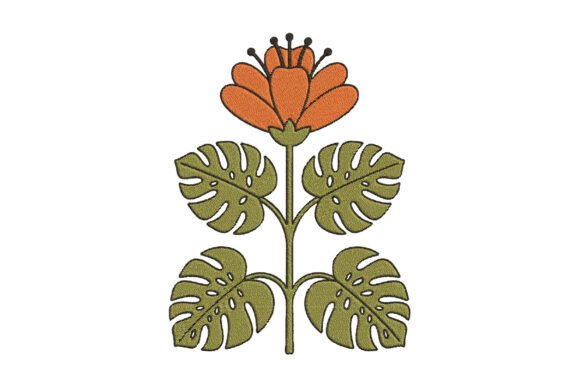
As a professional embroidery designer and product reviewer, I approach every new machine embroidery design with a critical eye. It is not enough for a digital file to look pretty on a screen; it must perform under the needle and add tangible value to the finished product. When evaluating the Single Orange Flower Embroidery Design, my primary focus is on its versatility and structural integrity for real-world applications. This design features a minimal floral bloom in a warm orange tone, promising a clean, modern aesthetic that appeals to contemporary makers. However, translating that digital promise into a physical handmade product requires understanding how the stitch architecture interacts with various substrates.
First Impressions and Modern Aesthetic Appeal
Upon loading the embroidery file into my digitizing software, the first thing that stands out is the intentional simplicity. In an industry often saturated with overly complex, dense designs, this single flower offers a refreshing restraint. The shape feels organic yet stylized, avoiding the stiff, clip-art appearance that can plague lower-quality design assets. The warm orange tone is vibrant without being neon, suggesting a sophisticated color palette suitable for adult custom apparel as well as nursery items.
For an Etsy seller or boutique owner, this visual personality is crucial. Customers are currently gravitating toward minimalist botanicals that feel artisanal rather than mass-produced. The layout of this Single Orange Flower Embroidery Design leaves adequate negative space, which is essential for balancing compositions on garments or home goods. It does not scream for attention; instead, it invites the viewer to appreciate the texture of the fabric and the quality of the stitching. This subtlety is what separates a high-end personalized gift from generic craft fair merchandise.
Real-World Application: Stitching a Linen Tote Bag
To truly judge this design, I moved beyond the software and tested it in a practical scenario. My test case involved creating a premium linen tote bag design for a small shop product line. Linen is a textured fabric that can be unforgiving with delicate details, making it the perfect stress test for a minimal floral motif.
I hooped the linen with a medium-weight cutaway stabilizer to prevent shifting. As the machine ran, I observed the transition between stitch types. The design utilizes a combination of satin stitch outlines and light fill stitch areas. On the linen, the satin stitches laid down smoothly, anchoring well into the weave without sinking. Because the design is not excessively dense, it did not cause the fabric to pucker—a common issue with floral patterns on natural fibers. The resulting embroidered patch of color was crisp, and the warm orange popped beautifully against the natural beige background.
This test confirmed that the Single Orange Flower Embroidery Design is viable for commercial production. For a craft business, production speed matters. Because the design is minimal, the stitch count remains manageable, allowing for faster turnaround times on bulk orders without sacrificing visual impact. The final tote bag looked expensive and intentional, exactly the kind of item that builds customer trust and brand recognition.
Fabric Compatibility and Technical Considerations
While this design performed exceptionally on linen, experienced embroiderers know that one size does not fit all. When planning your next embroidery project, you must consider how the Single Orange Flower Embroidery Design interacts with different materials.
- Stretchy Fabrics: For sweatshirt embroidery or knit t-shirts, the open nature of this design is advantageous. Heavy, dense florals can create a "bulletproof vest" effect on knits, but this lighter pattern moves better with the fabric. Always use a ballpoint needle and appropriate stretch stabilizer to maintain the garment's drape.
- Sheer and Lightweight Fabrics: If using this for baby embroidery on onesies or voile, check the stitch density. While minimal, any satin stitch elements could potentially pull on very fine weaves. A tear-away topping may be necessary to keep stitches from sinking into loose-weave baby cotton.
- Dark Fabrics: The warm orange tone provides excellent contrast on navy, charcoal, or forest green backgrounds. However, if stitching on black, ensure your bobbin thread matches the top thread or use a neutral dark bobbin to prevent white show-through at the edges of the running stitch details.
- Curved Surfaces: For caps or sleeves, verify the hoop size and design dimensions. Minimal flowers generally adapt well to curved surfaces because they lack rigid geometric borders that distort easily. Still, always test placement to ensure the flower sits flat across the seam or curve.
Commercial Viability for Makers and Sellers
For creative entrepreneurs, the Single Orange Flower Embroidery Design represents more than just a pretty picture; it is a scalable asset. Its gender-neutral warmth makes it ideal for holiday embroidery during autumn, yet it remains fresh enough for spring and summer collections. This seasonality extends the product lifecycle, maximizing your return on investment.
When listing items online, presentation is everything. This design translates well to printable mockups and digital previews because of its clear silhouette. Buyers can instantly recognize the motif even in thumbnail images. Furthermore, its simplicity allows for easy customization. You can pair it with monograms, names, or dates without the composition becoming cluttered. This flexibility is vital for sellers offering personalized products, as it reduces the need to purchase separate digital embroidery file variations for every occasion.
However, a word of caution regarding licensing: always confirm the specific usage rights before selling finished items or incorporating the design into your own digital bundles. Professional integrity requires respecting the original digitizer's terms, especially when building a sustainable commercial embroidery business.
Essential Designer Notes for Success
Before you commit this Single Orange Flower Embroidery Design to a client project or inventory batch, adhere to these professional best practices to ensure consistent quality:
- Test on Scrap Fabric First: Never assume a file will stitch perfectly on your chosen material. Run a sample on the exact fabric and stabilizer combination you intend to use. Check for registration issues or tension problems specific to your machine.
- Verify Thread Color Contrast: The "warm orange" described may render differently depending on your thread brand. Compare physical thread swatches against your fabric in natural lighting. What looks vibrant on screen might appear muddy on certain textiles.
- Review Stitch Density Settings: If you are resizing the design significantly, re-evaluate the density. Enlarging can make fills look sparse, while reducing can cause thread breaks or needle damage. Use software to adjust density proportionally if resizing beyond 10-15%.
- Inspect Small Details: Minimal designs often rely on fine lines. Ensure your needle is sharp and your tension is balanced so that running stitch stems or veins do not get lost in the fabric texture.
- Mockup in Black and White: To test the design’s structural strength, view a grayscale version. If the flower loses its definition without color, the contrast values in the digitizing may need adjustment for low-light photography or subtle fabric pairings.
- Confirm Hoop Size Requirements: Do not force a design into a hoop that is too tight. Adequate margin around the design prevents frame burn and ensures proper stabilization, which is critical for achieving that professional, store-bought finish.
The Single Orange Flower Embroidery Design succeeds because it respects the fundamentals of good embroidery: balance, appropriate density, and aesthetic clarity. Whether you are embellishing a tea towel, branding a boutique line, or crafting a heartfelt gift, this pattern offers a reliable foundation for beautiful results. By approaching it with technical mindfulness and creative intention, you transform a simple digital file into a signature element of your maker portfolio.