Hand Holding Rose Line Art Embroidery Review
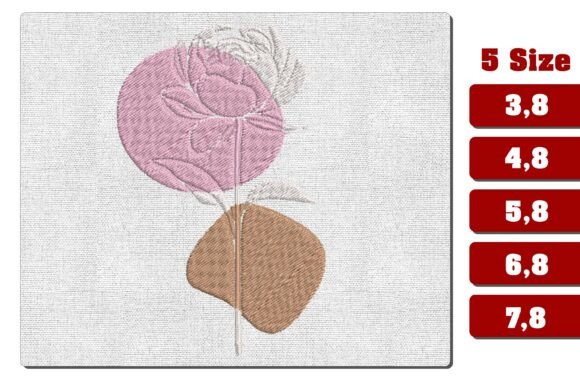
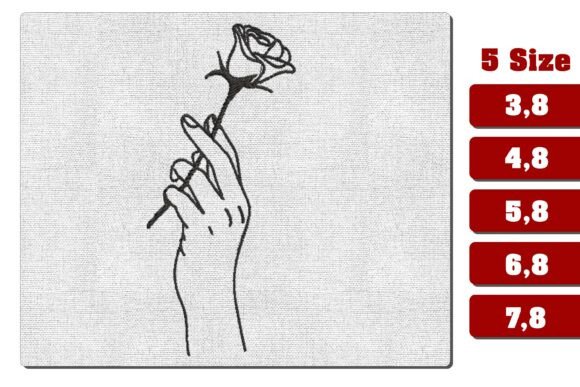
As I prepare my inventory for the upcoming weekend craft fair, I am constantly evaluating which designs will actually move off the table. Booth space is limited, and production time is precious. When reviewing the Hand Holding Rose Line Art Embroidery design, my immediate assessment is that this piece strikes a necessary balance between modern minimalism and romantic tradition. For an Etsy seller or boutique maker, line art is currently dominating the market because it offers a premium, artistic aesthetic without the heavy stitch count of traditional fill designs. This specific machine embroidery design feels elegant yet accessible, making it a versatile contender for both high-end handmade gifts and quick-turnaround market items.
Evaluating Visual Impact for Craft Fair Displays
The first impression of this design is undeniably soft and sophisticated. Unlike dense floral fills that can sometimes look dated or overly country, the Hand Holding Rose Line Art Embroidery reads as contemporary and intentional. For a booth display, this matters immensely. Customers walking past a table need to understand the vibe within seconds. This design communicates "handmade quality" instantly because line art mimics the fluidity of a pen sketch rather than a computerized grid.
When planning my table layout, I view this design as a strong anchor for neutral-toned products. It does not scream for attention with neon colors; instead, it invites the customer to lean in and appreciate the craftsmanship. For creative entrepreneurs focusing on farmhouse chic, cottagecore, or modern botanical aesthetics, this embroidery file serves as a perfect bridge between rustic warmth and clean, modern lines. It avoids looking kitschy, which increases the perceived value of the finished product significantly.
Best Product Applications for Market Sales
Determining where to place this design is just as important as the design itself. Based on the available sizes ranging from 3.8 inches to 7.8 inches, I have identified several high-potential applications for this single flowers category design.
- Tote Bag Design: The 6.8-inch or 7.8-inch size is ideal for canvas tote bags. Line art on natural cotton canvas creates a high-contrast, eco-friendly look that sells exceptionally well at farmers markets. The open nature of the design prevents the bag from becoming stiff or heavy.
- Tea Towel Embroidery: Using the 4.8-inch or 5.8-inch size, this design transforms a simple linen towel into a giftable item. Because line art uses less thread, it maintains the drape and absorbency of the fabric, which is a key selling point for functional kitchenware.
- Apron Embroidery: Positioned on the chest pocket area or lower hem, the smaller 3.8-inch size acts as a delicate accent. This works beautifully for florist aprons, baker merchandise, or salon wear.
- Embroidered Patch: While line art can be tricky for patches due to lack of background fill, using the 3.8-inch size on a felt backing with a merrowed edge can create a unique, vintage-style badge for denim jackets or caps.
- Pillow Covers: The larger sizes allow for a centered, minimalist statement on throw pillows. This appeals to home decor buyers looking for subtle texture rather than loud patterns.
Production Efficiency and Commercial Viability
For commercial embroidery businesses and small shop owners, time equals money. One of the strongest selling points of the Hand Holding Rose Line Art Embroidery is its likely low stitch density compared to saturated floral designs. In a batch production scenario, this means faster run times and less thread consumption. I can produce three line art tea towels in the time it might take to stitch out one complex, dense bouquet.
Furthermore, this design photographs exceptionally well for online listings. High-contrast line art translates clearly in digital thumbnails and printable mockups. When selling digital embroidery files or finished products on Etsy, clarity in photography drives clicks. The distinct outline ensures the design remains recognizable even when scaled down for mobile browsing. From a brand consistency standpoint, this design pairs effortlessly with other botanical line art, allowing sellers to build cohesive collections that encourage multi-item purchases.
Critical Technical Considerations and Careful Use Notes
Despite its versatility, line art requires technical precision. As an experienced designer, I must highlight specific challenges to ensure your finished product meets professional standards.
Fabric Texture and Stabilizer Selection
Line art is unforgiving on textured surfaces. If you are stitching this on terry cloth towels or waffle weave fabrics, the thin lines can get lost in the pile. You must use a water-soluble topping to keep the stitches visible above the fabric texture. Without this step, the Hand Holding Rose Line Art Embroidery will look broken and amateurish. For dark fabrics, ensure you have adequate contrast; white or cream thread on navy canvas is striking, but grey thread on black fabric may vanish in poor booth lighting.
Sizing and Detail Integrity
While the design comes in multiple sizes, exercise caution when using the smallest 3.8-inch option. Line art often contains intricate curves and tapered ends. If resized too small, these details can merge or cause thread breaks. Always verify the minimum recommended size in your embroidery file documentation. Conversely, when scaling up to 7.8 inches for a large tote bag design, check that the satin stitch width remains appropriate. Excessively wide satin stitches can snag easily during daily use, reducing the longevity of the handmade product.
Curved Surfaces and Hoop Tension
If applying this to caps or curved pouches, remember that line art distorts more visibly than fill designs. Any hooping distortion will result in wavy, uneven lines. Use proper cap stabilizers and consider magnetic hoops for flatter tension. Test the curve before committing to bulk production.
Designer’s Pre-Production Checklist
Before listing this as a craft fair product or adding it to your commercial embroidery lineup, complete this practical verification process:
- Stitch Out on Scrap Fabric: Never assume the digital preview matches reality. Stitch the 4.8-inch size on your intended sale fabric to check registration and pull compensation.
- Verify Thread Colors: Line art relies heavily on color choice. Test variegated threads versus solid colors. Sometimes a solid matte thread looks more premium than a shiny rayon for this specific aesthetic.
- Confirm Hoop Size Compatibility: Ensure your machine can accommodate the 7.8-inch version if you plan to make large market bags. Check clearance around the hoop to avoid hitting machine parts during wide swings.
- Review Licensing: Before selling finished products or the digital embroidery file itself, confirm the commercial license terms included with the Hand Holding Rose Line Art Embroidery purchase. Protect your business by adhering to usage limits.
- Create Physical Mockups: Do not rely solely on software renderings. Photograph a real sample in natural light to see how the line weight translates visually. This helps set accurate customer expectations.
Final Verdict for Handmade Sellers
The Hand Holding Rose Line Art Embroidery is a strategic asset for any embroidery business targeting the modern handmade market. Its blend of elegance and production efficiency makes it a reliable earner for craft fairs and online shops alike. By respecting the technical requirements of line art and placing the design on appropriate substrates like canvas totes and linen towels, you elevate your brand's perceived quality. Whether you are a seasoned Etsy seller or a new boutique maker, this design offers the flexibility needed to create a diverse, appealing product range that resonates with today's buyers.