Father and Baby Hug Embroidery Line Review
As a professional embroidery designer who frequently sources assets for both custom client orders and commercial product lines, I approach every new download with a critical eye. When browsing Creative Fabrica embroidery collections for upcoming Father’s Day projects, the Father and Baby Hug Embroidery Line immediately stood out as a potential staple for sentimental apparel and nursery decor. However, visual appeal on a screen does not always translate to clean stitches on fabric. After evaluating this machine embroidery design for real-world application, here is my honest assessment of its performance, versatility, and value for fellow makers and shop owners.
First Impressions and Visual Mood
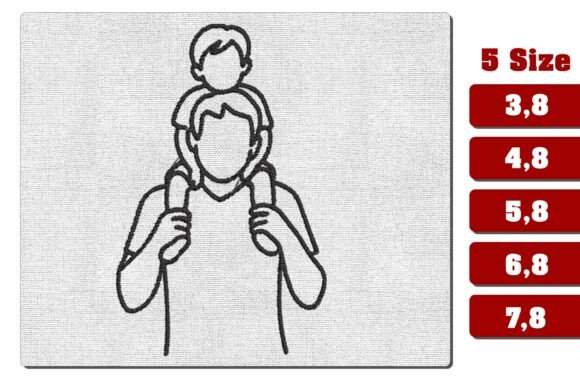
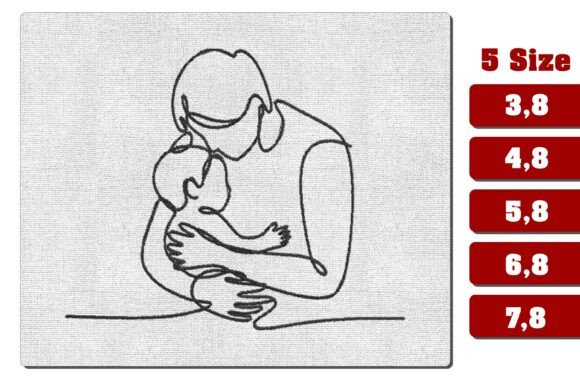
The initial attraction to the Father and Baby Hug Embroidery Line lies in its emotional resonance. The artwork captures a tender moment that translates beautifully into thread, avoiding the overly cartoonish aesthetic that can sometimes cheapen handmade products. For those of us creating personalized gifts or boutique merchandise, the line work suggests a balance between detail and stitch efficiency. Visually, it feels appropriate for high-value items like custom sweatshirts, baby blankets, and keepsake pillows rather than just quick craft fair fillers.
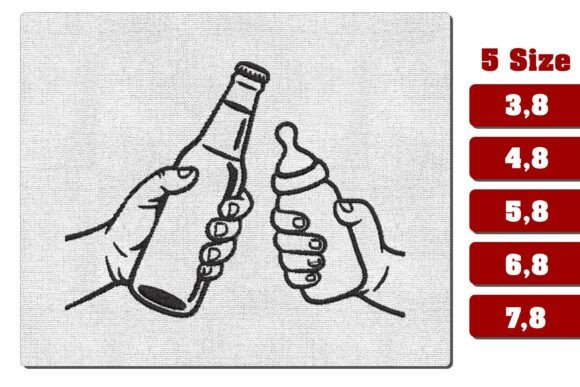
From a technical design perspective, the composition appears balanced within the available dimensions. The inclusion of multiple sizes—3.8, 4.8, 5.8, 6.8, and 7.8 inches—is a significant advantage. As designers know, resizing an embroidery file beyond 20% can distort stitch density and cause registration issues. Having pre-digitized sizes ensures that whether I am stitching a small embroidered patch for a cap or a large tote bag design, the integrity of the satin stitch and fill stitch areas remains intact. This variety reduces the need for manual redigitizing, saving valuable production time.
Performance on Apparel and Textiles
When testing this design for custom apparel, specifically sweatshirt embroidery and cotton tees, stability is paramount. The Father and Baby Hug Embroidery Line seems optimized for standard knit and woven fabrics, but practical application requires careful stabilizer selection. For stretchy fabrics like jersey or fleece, I recommend using a cut-away stabilizer to prevent puckering around the hug motif. The design’s flow suggests it will lay flat nicely, provided the hooping is taut and the needle is fresh.
For smaller applications, such as the 3.8-inch version intended for caps or baby bibs, detail retention is the primary concern. In my experience with similar line art designs, maintaining clear definition at smaller hoop sizes depends heavily on thread weight and tension. If you plan to use this for commercial embroidery on curved cap surfaces, test the smallest size first. Ensure your machine’s tension is perfectly calibrated so that the running stitch outlines do not get swallowed by the fabric texture. This size is also ideal for creating wearable art on children’s clothing where large designs would be uncomfortable or overwhelming.
Versatility for Home Decor and Gifts
Beyond apparel, this embroidery file shows strong potential for home decor and seasonal gifting. The larger 6.8 and 7.8-inch sizes are perfectly suited for pillow covers and nursery wall hangings. When stitching on textured fabrics like linen or canvas for tote bags, consider using a slightly heavier thread or adjusting the stitch density if your software allows, to ensure the design stands out against the weave. For kitchen towels or aprons, which require frequent washing, verify that the stitch type is secure; line art can sometimes unravel if not properly locked at the start and end points, so a thorough inspection after the first test run is essential.
For Etsy sellers and creative entrepreneurs, this design serves as an excellent foundation for personalized gifts. Because the subject matter is universally touching yet specific enough to feel curated, it pairs well with custom names or dates. However, always check the licensing terms on the Creative Fabrica product page before selling finished products. Understanding whether you have commercial rights for physical items versus digital embroidery files protects your business and respects the original digitizer’s work.
Technical Considerations for Professional Results
While the Father and Baby Hug Embroidery Line is versatile, achieving a professional finish requires attention to technical variables. One critical factor is thread color contrast. Line art relies entirely on visibility; stitching dark grey thread on black fabric will result in a lost design. Always compare light and dark fabric mockups before committing to a production run. For dark garments, consider using a white or metallic underlay to make the top threads pop, or select high-contrast thread colors that align with your brand aesthetic.
Stitch density is another area where real-world testing matters. Although the product description lists available sizes, it does not specify exact stitch counts. Before running this on expensive blanks, stitch a test on scrap fabric of similar weight. Inspect the back of the sample; excessive jump stitches or dense bunching can indicate a need for trim adjustments or stabilizer changes. For the larger 7.8-inch size, ensure your hoop size accommodates the design with adequate margin for the presser foot to move freely without hitting the hoop edges, which can cause alignment shifts mid-stitch.
Enhancing Product Value and Buyer Trust
Using high-quality design assets like the Father and Baby Hug Embroidery Line directly impacts perceived product value. Customers can distinguish between a generic clip-art stitch-out and a thoughtfully executed embroidery piece. Clean lines, proper registration, and appropriate sizing signal professionalism. When photographing finished items for listings, ensure the lighting highlights the texture of the stitches. A well-lit photo of this design on a folded sweatshirt or draped over a nursery chair communicates quality better than a flat digital mockup alone.
For those creating printable mockups to sell alongside physical goods, this design’s clean aesthetic works well in digital previews. However, nothing builds buyer trust like showing actual stitched samples. Document your process with this design; share close-ups of the stitch texture on social media to demonstrate the care put into each handmade product. This transparency engages customers and justifies premium pricing for custom embroidery services.
Final Thoughts for Makers and Sellers
The Father and Baby Hug Embroidery Line offers a compelling option for designers seeking emotive, versatile artwork for Father’s Day and beyond. Its range of sizes supports everything from delicate baby items to substantial home decor, reducing the technical risks associated with resizing. By pairing this digital embroidery file with proper stabilizer choices, thoughtful thread selection, and rigorous testing, you can create finished products that resonate deeply with recipients and buyers alike.
Remember, every embroidery machine and fabric combination behaves differently. Always confirm file details, review stitch density on scrap material, and validate licensing before commercial use. When executed with care, this design has the potential to become a reliable bestseller in your collection, bridging the gap between digital convenience and heartfelt handmade craftsmanship. Whether you are fulfilling a custom order or expanding your inventory of design assets, approaching this file with professional diligence will ensure your final embroidery meets the high standards your customers expect.