Abstract Heart Embroidery Design Review
First Impressions: Modern Versatility for Commercial Use
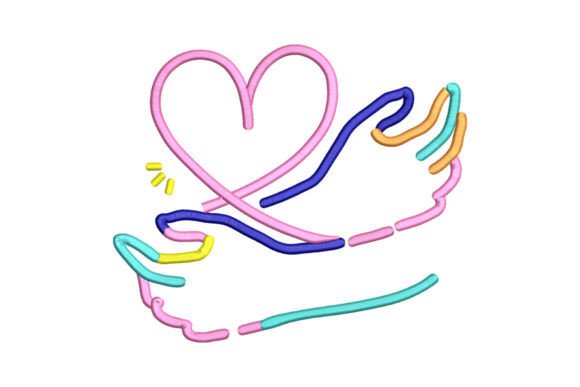
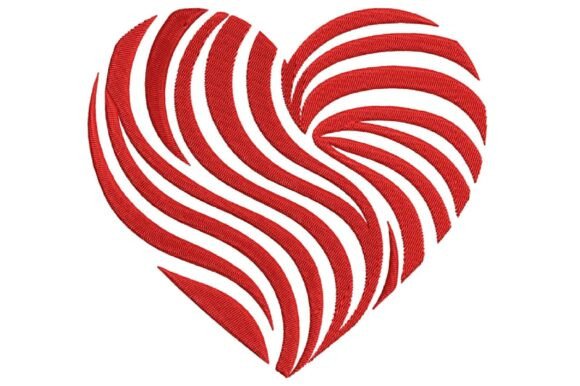
As an embroidery designer evaluating assets for small business merchandise, my first priority is always versatility. When reviewing the Abstract Heart Embroidery Design, I immediately look past the romantic connotation to assess its structural integrity as a branding element. The description highlights flowing curved lines forming a dynamic heart shape, representing love with a modern aesthetic. For a commercial embroiderer or Etsy seller, this "modern" descriptor is crucial. Traditional heart designs can often feel too juvenile or strictly Valentine-themed, limiting their year-round utility. However, an abstract interpretation suggests clean vector-style lines and open spaces that translate exceptionally well into professional brand identity.
This design feels less like a nursery decoration and more like a contemporary logo mark suitable for a boutique, creative studio, or artisanal bakery. The artistic flow implies movement, which prevents the design from looking stagnant on fabric. For small business owners, this visual personality strikes a necessary balance: it is friendly and approachable without sacrificing professionalism. It signals a handmade product ethos while maintaining the polish required for paid merchandise.
Real-World Performance in Small Business Merch
The true test of any machine embroidery design is how it performs across various substrates. Based on the dynamic nature of this abstract heart, I foresee excellent results in several key commercial applications.
- Embroidered Patches: The flowing lines are ideal for patch production. Unlike dense fill hearts that can become bulletproof and stiff, an abstract line-art style allows the patch to remain flexible. This is vital for patches intended for denim jackets or canvas tote bags where rigidity causes puckering.
- Apron Embroidery: For cafes and florists, aprons endure high heat and frequent washing. The open structure of this design reduces stitch density, meaning fewer needle penetrations. This preserves the fabric's integrity over time, preventing the premature wear common with heavy logo fills.
- Tote Bag Design: Canvas totes are a staple for handmade brands. This design’s artistic flair elevates a standard promotional bag into a desirable fashion accessory. Customers are more likely to reuse a bag featuring beautiful art rather than a generic corporate stamp.
- Custom Apparel Accents: As a sleeve detail or chest logo accent on staff uniforms, the abstract heart serves as a subtle brand nod. It adds warmth to service industry uniforms without overwhelming the garment's primary color or function.
In each scenario, the Abstract Heart Embroidery Design functions as a value-add. It transforms basic inventory into branded assets that customers want to keep, directly impacting perceived product value and buyer engagement.
Technical Considerations and Application Limits
While versatile, no digital embroidery file is universal. As a reviewer, I must highlight where caution is needed to ensure a premium finished product. The "flowing curved lines" mentioned in the product description require specific attention during digitization and production.
Stitch Density and Fabric Texture
If the design relies on satin stitches to create those flowing curves, you must evaluate the width relative to your target fabric. On textured fabrics like terry cloth or fleece, thin running stitches may get lost. You may need to increase the stitch width or add an underlay foundation to prevent sinking. Conversely, on lightweight performance wear, high stitch density along the curves could cause tunneling. Always run a sew-out on the actual material before committing to bulk production.
Cap Embroidery Challenges
Curved surfaces present unique challenges. While this design is dynamic, placing complex curves on the structured front panel of a cap can lead to registration issues. If the abstract heart has intersecting lines, ensure there is adequate spacing between elements. Tight intersections on a curved cap brim often result in thread breaks or misalignment. For caps, consider using this design on the side panels or back closure strap where the surface is flatter and more forgiving.
Sizing and Detail Retention
Abstract designs often lose impact when scaled down excessively. Before using this for tiny collar tags or baby onesies (despite the Nursery category association), verify the minimum size. Flowing lines need physical space to be distinct. If reduced below 2 inches, the dynamic shape might collapse into an unrecognizable blob. Always check the digitizer’s recommended minimum size to maintain visual clarity.
Impact on Brand Identity and Customer Trust
In the competitive landscape of Etsy sellers and local shops, visual consistency builds trust. Using a cohesive design asset like the Abstract Heart Embroidery Design across multiple touchpoints reinforces brand recognition. When a customer sees the same artistic motif on your packaging, your staff’s shirts, and your carryout bags, it creates a unified experience that feels established and intentional.
Furthermore, the quality of the embroidery reflects directly on your business standards. A well-executed abstract design suggests attention to detail. Because this design represents love with a modern twist, it resonates emotionally with buyers while remaining aesthetically current. This emotional connection is particularly valuable for businesses in the care, wellness, or creative sectors. It softens the transactional nature of commerce, making your brand feel more human and accessible. For handmade brands, this alignment between product and presentation is what justifies premium pricing and fosters long-term loyalty.
Professional Designer Notes for Production Success
To maximize the potential of this embroidery file for commercial use, follow these practical steps before launching your merchandise line:
- Verify Licensing: Before selling any item featuring this design, confirm the commercial licensing terms. Ensure you have the right to use the design on products for sale, not just personal projects.
- Create Printable Mockups: Use software to generate a printable mockup for client approval or internal review. Seeing the design digitally placed on a virtual apron or cap helps identify proportion issues before wasting thread and stabilizer.
- Test Thread Colors: Abstract art relies heavily on contrast. Test the design in both high-contrast (white on black) and low-contrast (tone-on-tone) palettes. Ensure the flowing lines remain visible against your specific brand colors.
- Check Hoop Size Compatibility: Confirm the design dimensions fit within your machine’s hoop size with adequate margin for stabilization. Over-stretching fabric to fit a design leads to distortion, especially with curved motifs.
- Select Proper Stabilizer: Match the stabilizer to the end-use. Use cut-away for stretchy apparel to support the curves permanently. Use tear-away only for stable woven fabrics like canvas totes. Incorrect stabilizer choice is the number one cause of poor registration in line-art designs.
- Compare Beside Other Assets: Place this design next to your existing logos and fonts. Does the line weight match? Is the style consistent? Visual harmony across all design assets ensures your merchandise looks like part of a collection rather than an afterthought.
By approaching the Abstract Heart Embroidery Design with a critical, business-focused eye, you transform a simple graphic into a powerful tool for growth. Whether used for nursery items or high-end boutique merch, success lies in understanding the technical requirements and strategic application of the design. Always prioritize testing and quality control to ensure your embroidered products uphold the reputation your business has worked hard to build.